UMBRE Best Experience 2025: quando il turismo diventa realmente per tutti
Parlare di turismo accessibile non significa rivolgersi a una categoria separata dal resto del mondo.
Significa affrontare un tema che riguarda il diritto alla mobilità, alla scoperta, alla partecipazione culturale. Significa parlare di possibilità concrete e di dignità, non di eccezioni.
Per troppo tempo il turismo è stato presentato come un bene di lusso: un’esperienza per chi può permettersela, in termini economici ma anche fisici, sensoriali, cognitivi.
Il risultato è che, spesso senza intenzione, si è costruito un immaginario – e talvolta anche un’offerta – che include molti e lascia fuori molti altri.
Quando un territorio non garantisce l’accessibilità, non esclude solo dei visitatori: limita il valore stesso dell’esperienza che propone.
Un luogo è davvero accogliente solo se è pensato per essere vissuto da chiunque, con tempi, corpi e modalità diverse.
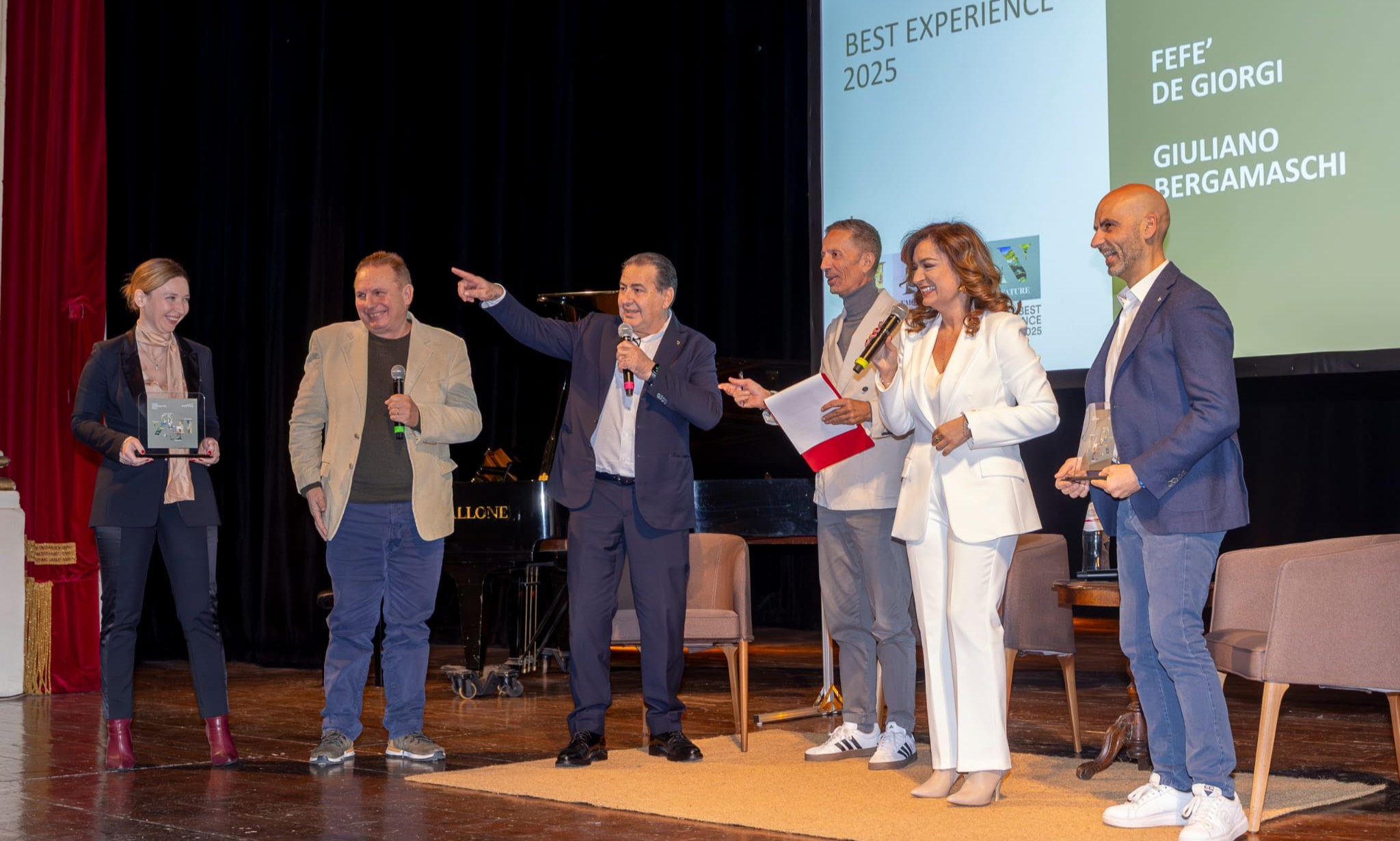
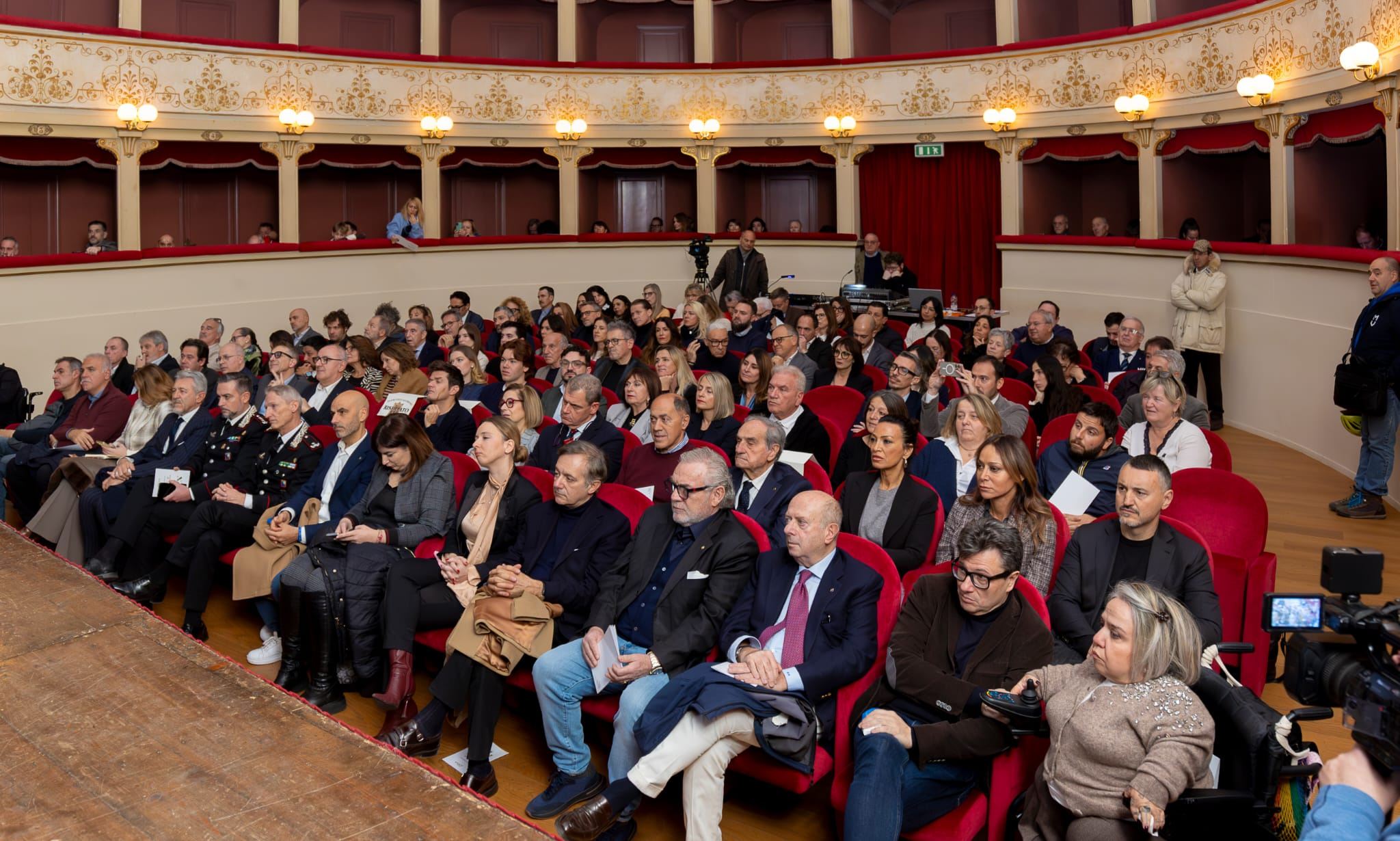
Il 29 novembre, nella splendida cornice del Teatro degli Illuminati di Città di Castello, la premiazione di UMBRE Best Experience 2025 ha mostrato chiaramente che qualcosa sta cambiando.
Operatori, istituzioni, aziende e professionisti hanno raccontato un’idea di turismo capace di tenere insieme bellezza, territorio e responsabilità: perché accogliere non significa aggiungere un servizio in più, ma creare le condizioni affinché tutti possano partecipare.
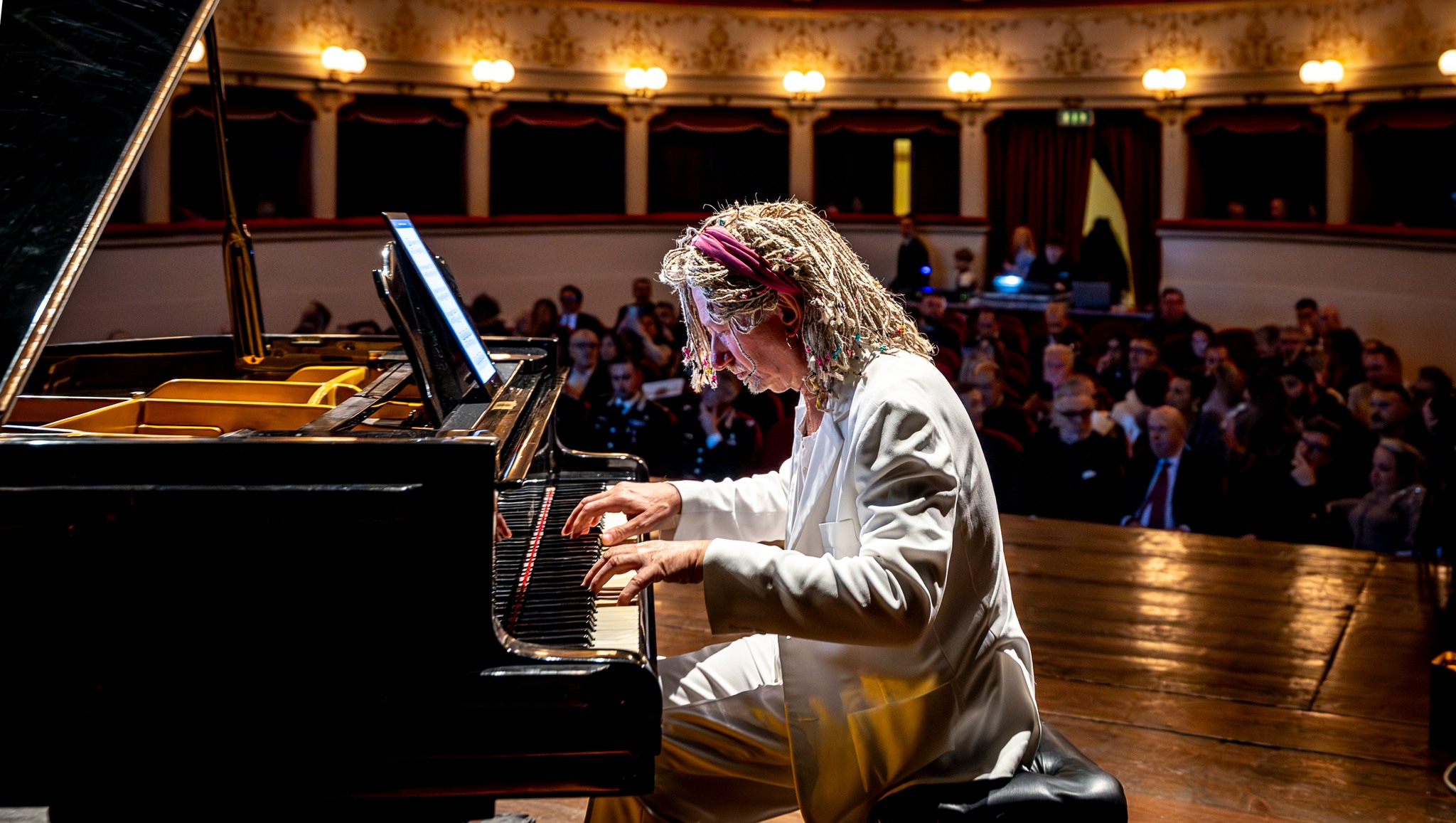
La serata si è aperta con l’esibizione al pianoforte del Maestro Maurizio Mastrini e ha messo in luce esperienze turistiche innovative, autentiche e coinvolgenti.
🏆 Heritage
— “I Love Contemporary Art”
🏆 Food & Wine
— “Frantoi Aperti in Umbria”
🏆 Emotion (wellness, wedding, eventi, family, esperienze sensoriali)
— Festival del Cinema Città di Spello e dei Borghi Umbri – “Le Professioni del Cinema”
🏆 Nature (sostenibilità, paesaggi, outdoor, biodiversità)
— “La Spesa nell’Orto”
🔸 Menzione speciale Intesa Sanpaolo Banka BiH
— “L’Accademia della Briglia”
🔹 Premio speciale Regione Lazio
— Vox Spa con “In viaggio tra i sapori con l’AI”
📱 Best Content Creator
— Jessica Mammoli, autrice del blog “Parto dall’Umbria”
Ospiti d’eccezione:
— Ferdinando “Fefè” De Giorgi, CT della Nazionale maschile campione del mondo 2025
— Giuliano Bergamaschi, docente e pedagogista della squadra
La valutazione è stata affidata a una Commissione di eccellenza, presieduta da Valentina Tomirotti, con i giurati Jacopo Cossater, Veruska Picchiarelli, Aimone Romizi e Nicoletta Sarti.
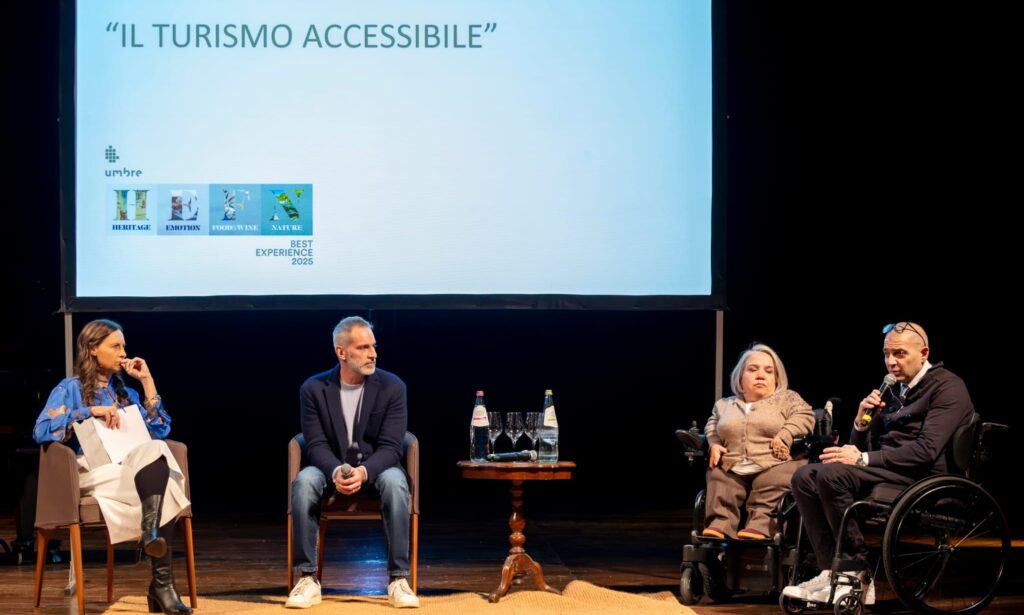
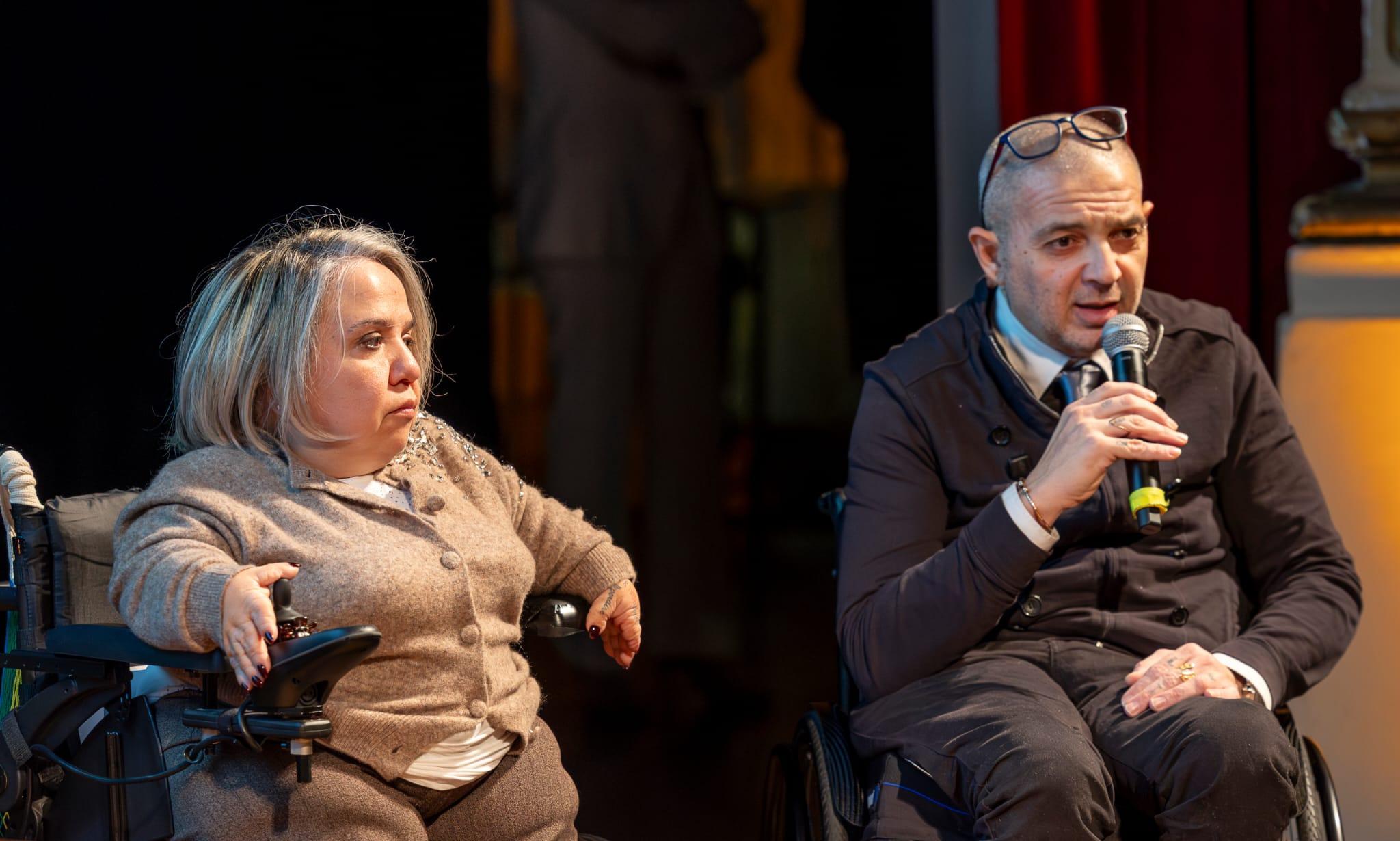
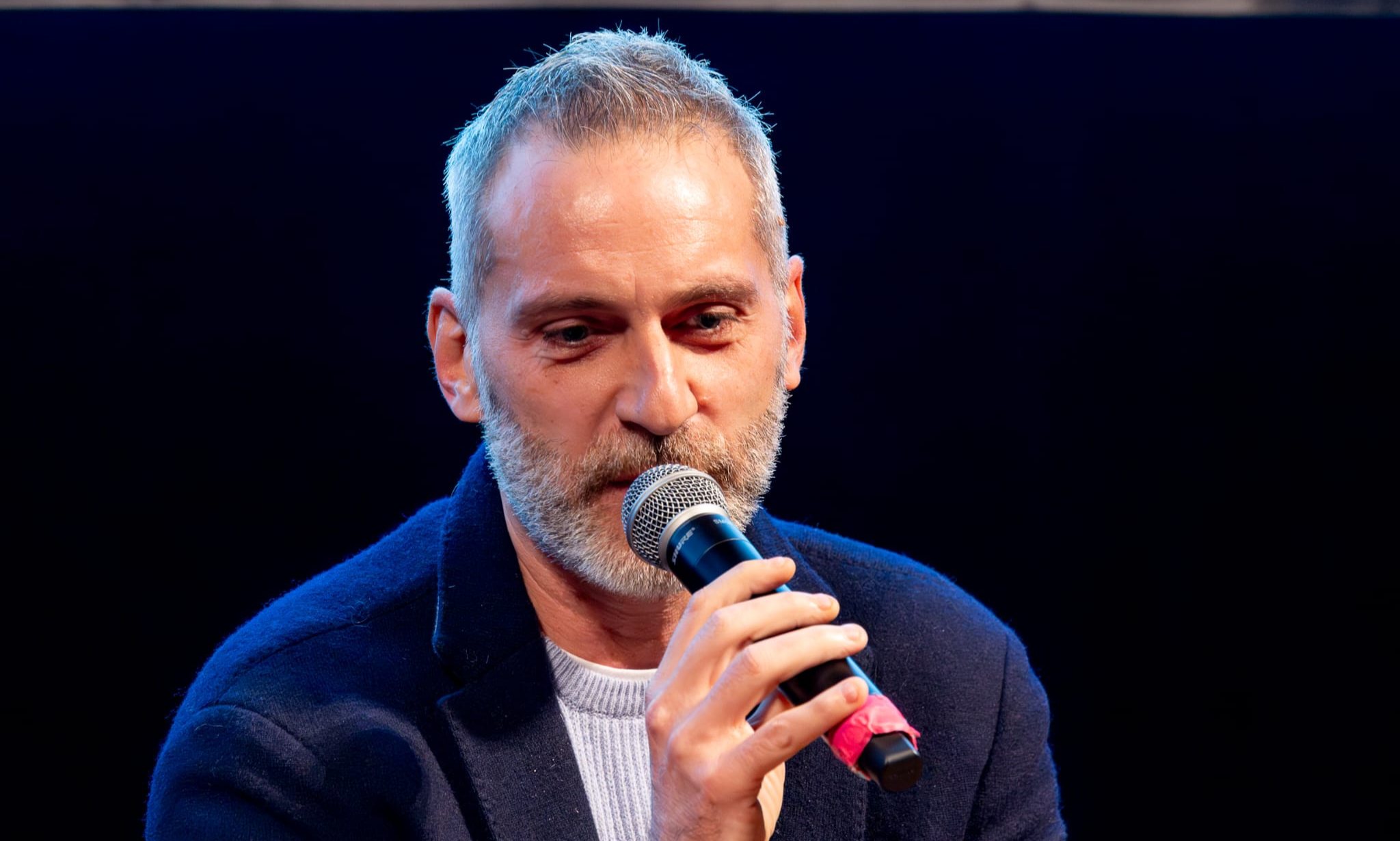
L’iniziativa, moderata dal CEO & Founder di ESG89 Giovanni Giorgetti, è stata anche l’occasione per un confronto diretto su un tema cruciale: il turismo accessibile come nuovo standard di mercato.
Sul palco erano presenti:
Marco Bottardi, Founder di World4All
Marvin Milanese, CEO e Co-Founder di World4All
Valentina Tomirotti, Presidente dell’associazione Pepitosa in Carrozza
Durante il dialogo abbiamo portato la nostra visione: l’accessibilità non è un servizio da aggiungere, ma un valore da misurare, progettare e rendere quotidiano.
World4All sta costruendo proprio questo: un modello rigoroso, verificabile e replicabile, che unisce mappature tecniche, formazione per operatori e una piattaforma digitale in continua evoluzione.
Un percorso che stiamo portando avanti insieme alle istituzioni presenti:
— la Presidente della Regione Umbria Stefania Proietti
— il Sindaco di Città di Castello Luca Secondi
— l’Assessore al Turismo Letizia Guerri
— il Direttore Affari della Presidenza della Regione Lazio Paolo Giuntarelli
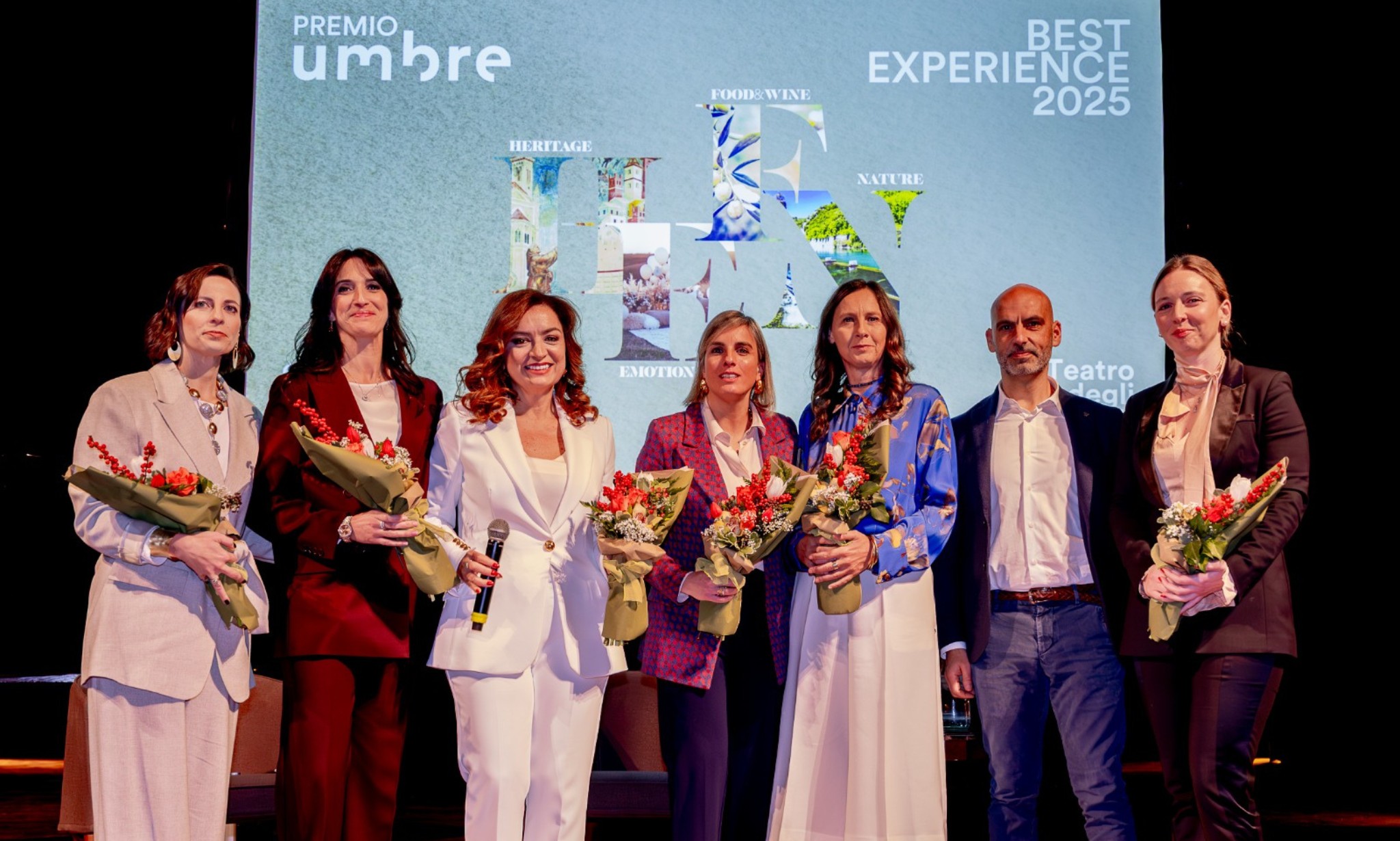
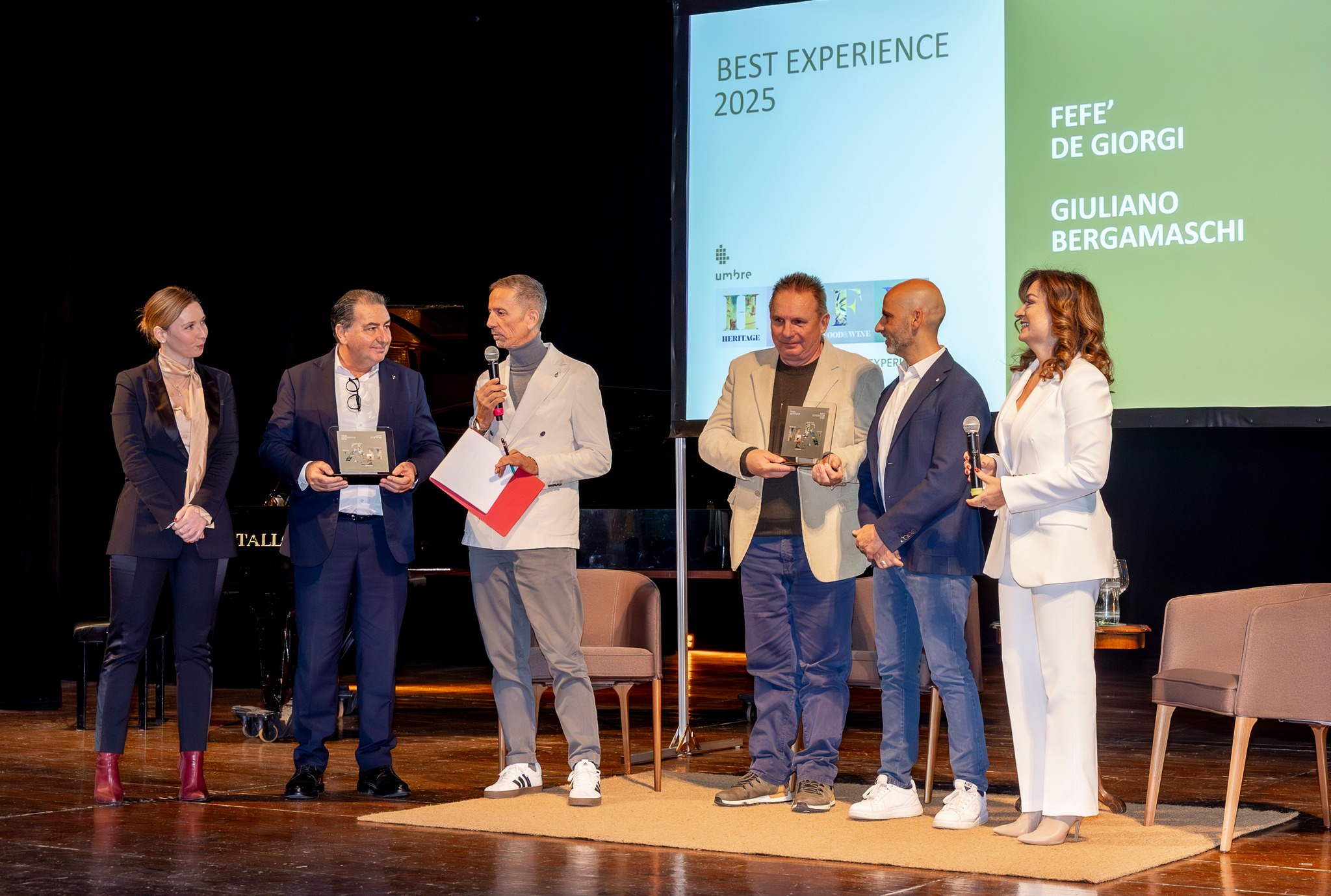
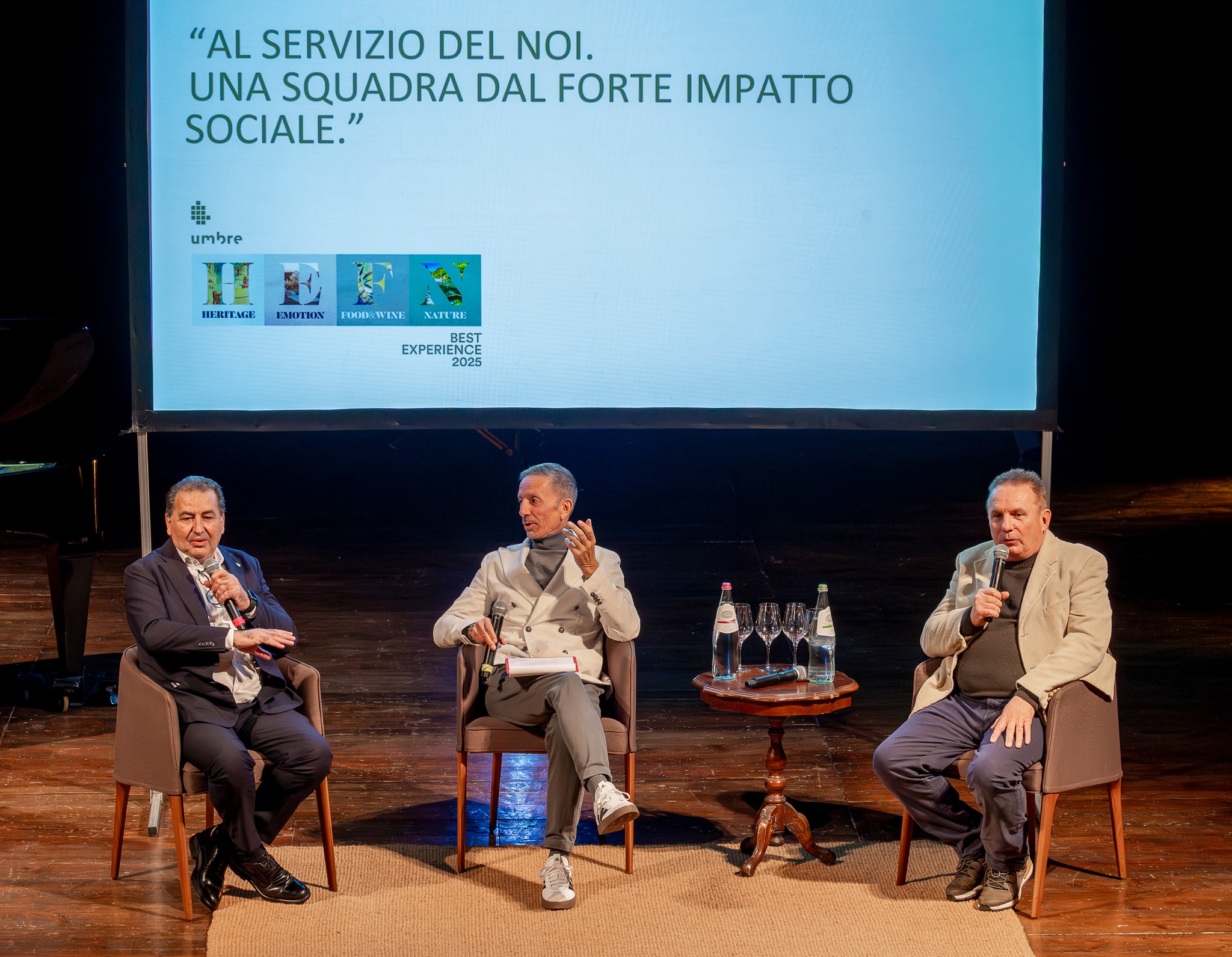
La giornata di UMBRE ha dimostrato una cosa semplice e potente: il cambiamento è già in corso.
Attraverso dialogo, formazione, scelte progettuali e la collaborazione tra chi il territorio lo abita e chi lo rende visitabile, il turismo può diventare realmente inclusivo.
Grazie a chi ha scelto di condividere questa visione e di farne parte.
Il percorso è iniziato, e il suo valore dipenderà dalla capacità di renderlo stabile, concreto e quotidiano.
Perché un turismo davvero accessibile non è un obiettivo futuro: è una responsabilità presente.
E la stiamo costruendo insieme.
World4All
We firmly believe that the internet should be available and accessible to anyone, and are committed to providing a website that is accessible to the widest possible audience, regardless of circumstance and ability.
To fulfill this, we aim to adhere as strictly as possible to the World Wide Web Consortium’s (W3C) Web Content Accessibility Guidelines 2.1 (WCAG 2.1) at the AA level. These guidelines explain how to make web content accessible to people with a wide array of disabilities. Complying with those guidelines helps us ensure that the website is accessible to all people: blind people, people with motor impairments, visual impairment, cognitive disabilities, and more.
This website utilizes various technologies that are meant to make it as accessible as possible at all times. We utilize an accessibility interface that allows persons with specific disabilities to adjust the website’s UI (user interface) and design it to their personal needs.
Additionally, the website utilizes an AI-based application that runs in the background and optimizes its accessibility level constantly. This application remediates the website’s HTML, adapts Its functionality and behavior for screen-readers used by the blind users, and for keyboard functions used by individuals with motor impairments.
If you’ve found a malfunction or have ideas for improvement, we’ll be happy to hear from you. You can reach out to the website’s operators by using the following email
Our website implements the ARIA attributes (Accessible Rich Internet Applications) technique, alongside various different behavioral changes, to ensure blind users visiting with screen-readers are able to read, comprehend, and enjoy the website’s functions. As soon as a user with a screen-reader enters your site, they immediately receive a prompt to enter the Screen-Reader Profile so they can browse and operate your site effectively. Here’s how our website covers some of the most important screen-reader requirements, alongside console screenshots of code examples:
Screen-reader optimization: we run a background process that learns the website’s components from top to bottom, to ensure ongoing compliance even when updating the website. In this process, we provide screen-readers with meaningful data using the ARIA set of attributes. For example, we provide accurate form labels; descriptions for actionable icons (social media icons, search icons, cart icons, etc.); validation guidance for form inputs; element roles such as buttons, menus, modal dialogues (popups), and others. Additionally, the background process scans all the website’s images and provides an accurate and meaningful image-object-recognition-based description as an ALT (alternate text) tag for images that are not described. It will also extract texts that are embedded within the image, using an OCR (optical character recognition) technology. To turn on screen-reader adjustments at any time, users need only to press the Alt+1 keyboard combination. Screen-reader users also get automatic announcements to turn the Screen-reader mode on as soon as they enter the website.
These adjustments are compatible with all popular screen readers, including JAWS and NVDA.
Keyboard navigation optimization: The background process also adjusts the website’s HTML, and adds various behaviors using JavaScript code to make the website operable by the keyboard. This includes the ability to navigate the website using the Tab and Shift+Tab keys, operate dropdowns with the arrow keys, close them with Esc, trigger buttons and links using the Enter key, navigate between radio and checkbox elements using the arrow keys, and fill them in with the Spacebar or Enter key.Additionally, keyboard users will find quick-navigation and content-skip menus, available at any time by clicking Alt+1, or as the first elements of the site while navigating with the keyboard. The background process also handles triggered popups by moving the keyboard focus towards them as soon as they appear, and not allow the focus drift outside it.
Users can also use shortcuts such as “M” (menus), “H” (headings), “F” (forms), “B” (buttons), and “G” (graphics) to jump to specific elements.
We aim to support the widest array of browsers and assistive technologies as possible, so our users can choose the best fitting tools for them, with as few limitations as possible. Therefore, we have worked very hard to be able to support all major systems that comprise over 95% of the user market share including Google Chrome, Mozilla Firefox, Apple Safari, Opera and Microsoft Edge, JAWS and NVDA (screen readers).
Despite our very best efforts to allow anybody to adjust the website to their needs. There may still be pages or sections that are not fully accessible, are in the process of becoming accessible, or are lacking an adequate technological solution to make them accessible. Still, we are continually improving our accessibility, adding, updating and improving its options and features, and developing and adopting new technologies. All this is meant to reach the optimal level of accessibility, following technological advancements. For any assistance, please reach out to
Aggiunta di {{itemName}} al carrello
Aggiunto {{itemName}} al carrello